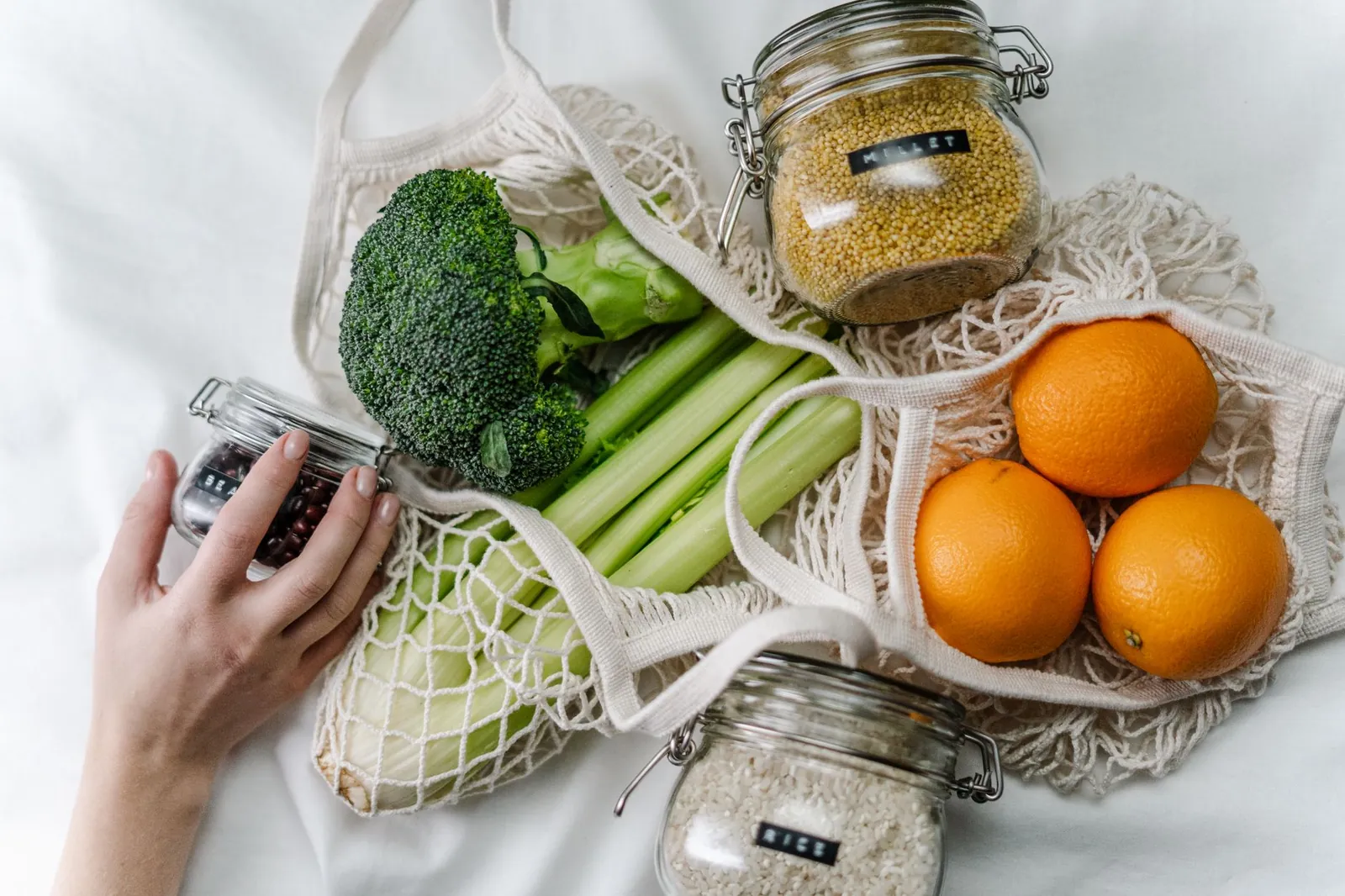
01 Ingredient list
Reading an ingredient list
The order is a ranking. Learn to read the first three names, spot sub-lists in brackets, and know when a long list is fine.
Read the guideIngredient lists, serving sizes, and the fine print on the back of a food package — explained in plain words, with no spin and nothing to sell. Five short guides for anyone who wants to know what they are actually buying.

The order is a ranking by weight — so the top three names carry most of what is in the pack.
Many "single" packs list two or three servings, so the numbers on the panel are for a portion, not the pack.
Sugar hides under dozens of names — syrup, -ose words, malt, nectar and concentrate among them.
The Label Reader is a small writing project about one narrow, useful thing: how to read the information printed on a food package. No diets, no brands, no promises about your health — just the panel, the ingredient list, and the words on the front, explained the way you would explain them to a friend at the shelf.
Everything here is drawn from the way food labels are laid out and the common terms that show up on them. Where a rule can vary by country, it says so. The goal is a reader who can pick up any pack and know, in under a minute, what is really inside.
Work through them in order or jump to the one you need at the shelf. Each takes about five minutes.
The order is a ranking. Learn to read the first three names, spot sub-lists in brackets, and know when a long list is fine.
Read the guide
The numbers on the panel describe a serving the maker chose — not the whole pack. Here is how to scale them to what you actually eat.
Read the guide
Syrup, -ose words, malt, nectar, concentrate. A field guide to the many aliases sugar travels under on an ingredient list.
Read the guide
Salt versus sodium, why the two numbers differ, and how to read the panel without doing arithmetic in the aisle.
Read the guide
"Natural", "light", "no added sugar", "made with real fruit". What the front says, and where the back of the pack settles it.
Read the guideThe front of a package is designed to sell; the back is where the facts live. Reading the back before you decide is the whole method in one sentence.
See the 30-second scanYou do not need to read every line. Three quick moves tell you most of what matters.
Before any number means anything, see how big a serving is and how many the pack holds. Everything on the panel is per serving.
Names appear heaviest-first. The first three tell you what the food is mostly made of. Watch for sugar and salt aliases near the top.
A claim on the front is a headline. Turn the pack over and let the panel and ingredient list decide whether it holds up.
Not on its own. A long list can be a recipe with many whole ingredients. What matters more is what sits at the top and whether names you do not recognise are doing the heavy lifting.
They are usually per serving, and the serving may be a fraction of the pack. Multiply by the number of servings to see the figure for the whole thing.
No. "No added sugar" means none was put in, but the food can still carry natural sugar — from fruit or milk, for example. The ingredient list and panel show the difference.
The idea is similar, but wording, thresholds and panel layout vary by country. The guides point out where a rule commonly differs so you know to check your own pack.